Presenting visual and performance art in unexpected public spaces.

Valentine’s Day Reenactments

Nothing quite says romance like a performance art piece that recreates your own unique love story.  Art in Odd Places presents Brooklyn-based artist Rory Golden’s Valentine’s Day Reenactments, a roving street performance that will inspire the public to share their love stories and adapt these narratives into mini movies. Golden’s Valentine’s Day public premiere will be Tuesday, February 12, 10am–12noon & 4pm–6pm, in and around Madison Square Park in New York City. On February 13 and 14, during the same morning and afternoon shifts in and around the park, Rory will engage the public with performances that are meant to bridge the gap between strangers and create an open dialogue about love and romance.
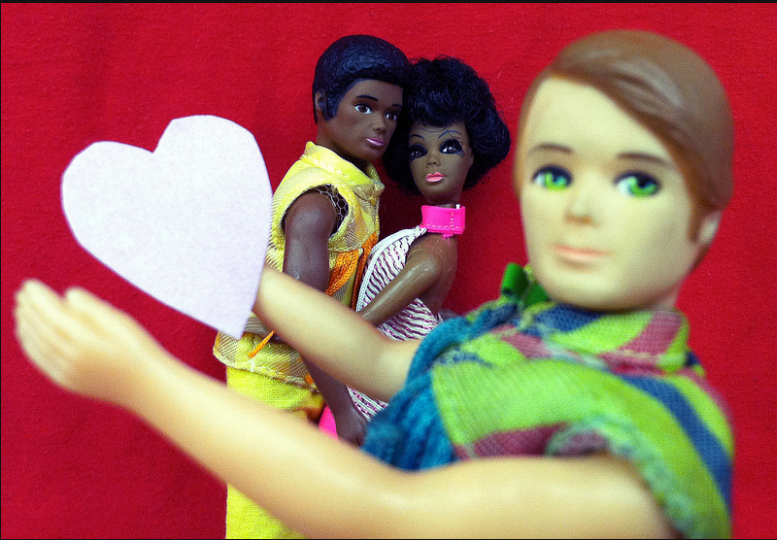
 

Inspiring passersby and couples alike to share their love stories with him, Golden will then use his iPhone and tiny, vintage dolls to produce funny video shorts, each under one minute, to be distributed via email, text message, and social media for Valentine’s Day. The No Reenactments Facebook Page ensures that those who want their stories of romantic failures and triumphs shared with the public get a chance to become a part of this unique art piece.

Once these love stories are confessed, Golden will then create mini-movies using dolls as puppets. Bad breakups, romantical first meetings – or delicious starry-eyed interludes – are re-imagined as high drama, soap opera-esque mini-vignettes about love, a perfect gift for Valentine’s Day.

“After years of focusing on race, violence and sexuality in American Society, I have turned to love.” says artist Rory Golden.
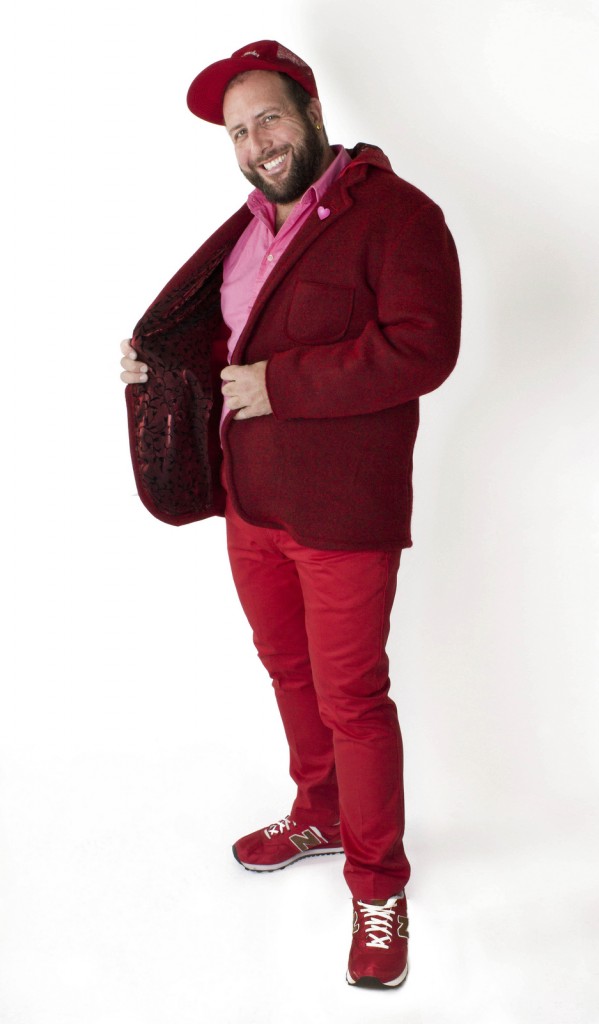


Artist Rory Golden
Rory Golden has received fellowships from Yaddo, the Bemis Center for Contemporary Arts,the Blue Mountain Center for major projects “Your One Black Friend” and “See Related Story: The Murder of J.R. Warren.” Recent awards include a research grant from Duke University Libraries Special Collections, a Puffin Foundation Grant, residencies at Blue Sky Project and the Manhattan Graphics Center, all towards completing “You Think I Can Eat All This Chicken Here?” In 2012 he had a solo exhibition at Art for Change in NYC and was the Phillip C. Curtis Artist in Residence at Albion College (MI). www.rorygolden.net / Rory Golden on Youtube

For instructions on submitting your love stories to be made into mini movies by the artist: Go to No Reenactments Facebook Page and send a message.
 

Tima Radya: Innovative street art in Russia

Today we’re chatting with Tima Radya, a street artist from Yekaterinburg, Russia. We talk about his love for street art and the challenges he faces as a street artist in Russia.

Today’s musical segments feature the talents of NYC cellist Jacob Cohen and rockettothesky.

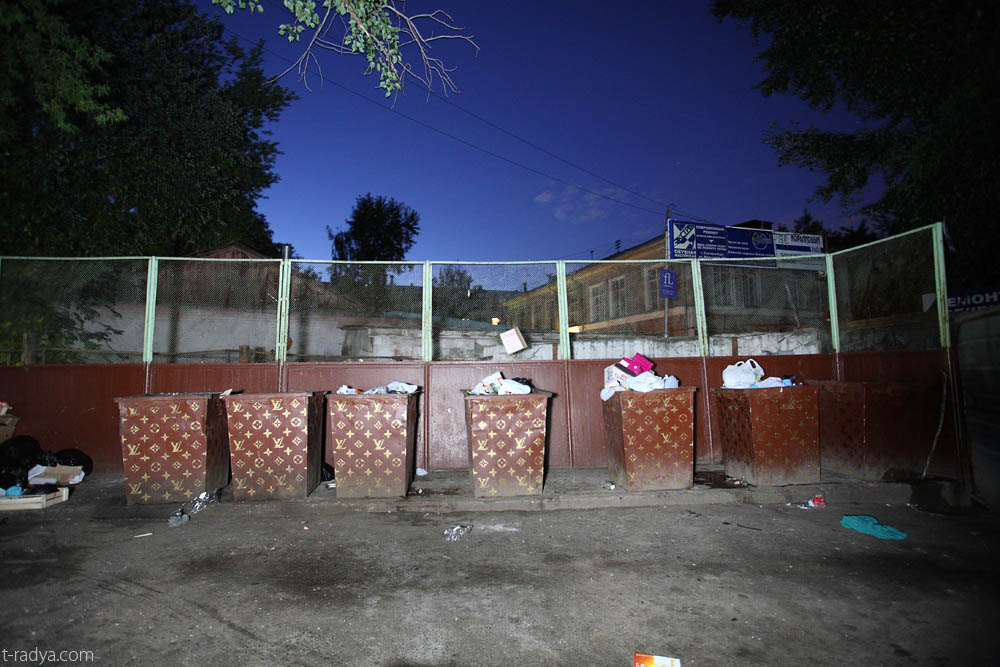
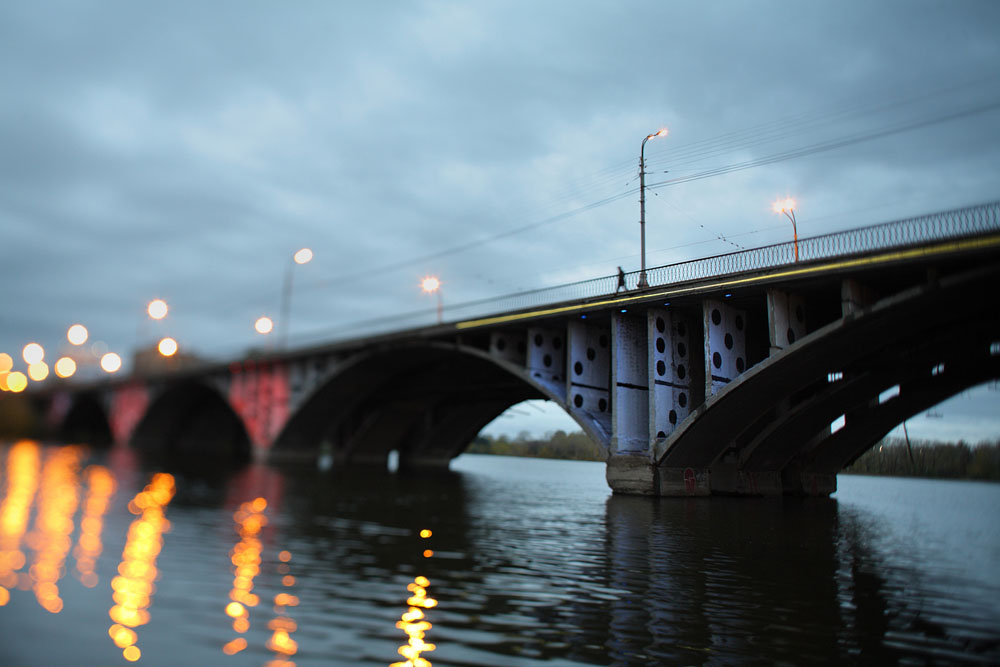
Your Move, 2010.

So what drew you to street art?

Radya: I usually have some long answers to this question but in general I just love street art … the rest can be seen in my work.

When did you decide to start doing street art?

Radya: It was three years ago. I remember it was [a] strong influence from Banksy and from my philosophical faculty so this mix turned me on and … it doesn’t seem to stop.

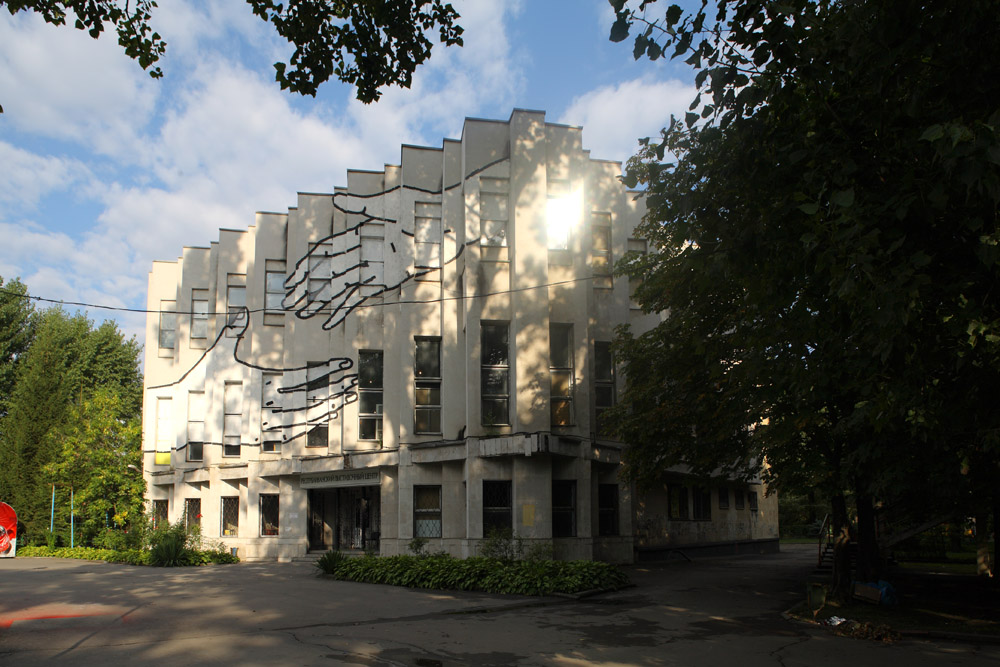
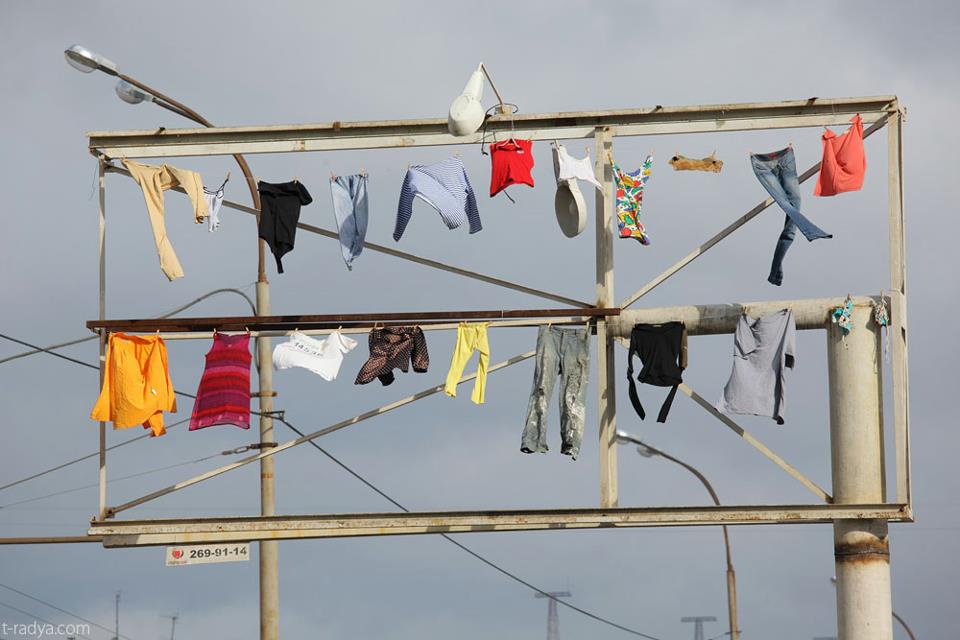
 Clothesline, 2012

How does street art fit in with your philosophy?

Radya: For me, the main part in street art is in ideas, not its form. And all my ideas are from my courses and these books. I think philosophy is good for all artists. Not only street art artists.

Did you go to art school?

Radya: No.

So you’re self-taught?

Radya: I think yes. And I have a lot of friends who can draw and paint things.

So is there a lot of street art in Russia?

Radya: Yes. Street art is alright here and there is more freedom here than in Europe or in the U.S. And for me, this is a strong catalyst. Imagine that you can do whatever you want. In such a situation, you need a good understanding of why you work. Why you are doing this … and this is incredibly interesting and exciting for me.

Who are some Russian artists creating inspiring work?

Radya: My favorite artists [are] P183… and Nomerz. All these guys are young and they are from different cities in Russia and we’re friends.

Do you ever collaborate with them?

Radya: Sometimes but not in general.

What are some themes you explore with your work?

Radya: I don’t have some specific topics that I like to talk about, but I can say there are two main directions for me.

One – things [that are] more political; they work as a [hammer]. And second is wonderful things and they work as mirror. I want to mix these directions to make beautiful things more complex and [the] political — deeper, maybe more existential. Generally the words that I say will not be enough. I talk when there are projects.

Can you give me an example of a work that you did that mixed something political with something beautiful?

Radya: In general, it’s possible to find these aspects in all projects. But I think [a] good example is Eternal Fire project and maybe our last piece, Stability, is an interesting example too. It’s not beautiful … directly, but it’s interesting as a piece of art, not only a political action. I think it was a good performance.

Eternal Flame

Do you have the freedom to perform any piece spontaneously in Russia?

Radya: I think yes. It’s possible. Even such extreme things like Pussy Riot …

But even Pussy Riot went to jail so —

Radya: Yes, but this piece was done. Jail is another aspect.

Stability

So what challenges do you face as an artist in Russia?

Radya: Good question.

Translator: My difficulty is not in some kind of relationship with other people but in my own decision – whether I have to do it or not, whether I should do it or not.

So do you ever get scared?

Radya: Every evening, and I think it’s [the] right situation. It’s a healthy situation when you are afraid of something.

How do you feel after it’s done?

Radya: It’s a very specific feeling. I’m always surprised because I can’t realize … I can never imagine how it would look and then – I can and it’s very interesting because on street it’s hard to do what you want. [You] have so many problems with [the] environment, police, people … all these things.

If you were to get caught painting a building or something what would happen?

Radya: It depends on building of course, but mostly I think nothing. Maybe you must pay money but no jail for this type of crime. It’s not [a] serious crime here if you paint not-political piece.

So if it’s political it might be more serious?

Radya: Yes, but it depends on local government and in our region, we have a good tradition. It’s possible to do political pieces here.

Where do you think they would be more strict about political pieces?

Radya: It’s impossible in Caucasus, really. It will be [a] terrible problem for you in Caucasus, and I think in Moscow it’s difficult because of media attention to you, like an example, of Pussy Riot.

Where would you like to take your work in the future?

Radya: My main goal is space. It would be nice to do some work on a rocket, but it’s difficult. Maybe we can discuss this with NASA.